Archives
- 2026-09
- 2026-08
- 2026-07
- 2026-06
- 2026-05
- 2026-04
- 2026-03
- 2026-02
- 2026-01
- 2025-12
- 2025-11
- 2025-10
- 2025-09
- 2025-03
- 2025-02
- 2025-01
- 2024-12
- 2024-11
- 2024-10
- 2024-09
- 2024-08
- 2024-07
- 2024-06
- 2024-05
- 2024-04
- 2024-03
- 2024-02
- 2024-01
- 2023-12
- 2023-11
- 2023-10
- 2023-09
- 2023-08
- 2023-07
- 2023-06
- 2023-05
- 2023-04
- 2023-03
- 2023-02
- 2023-01
- 2022-12
- 2022-11
- 2022-10
- 2022-09
- 2022-08
- 2022-07
- 2022-06
- 2022-05
- 2022-04
- 2022-03
- 2022-02
- 2022-01
-
Pentylenetetrazole Pyrimidine is the important pharmacology
2024-05-24

Pyrimidine is the important pharmacology core in many Aurora inhibitors, such as VX-680, ENMD-2076, CYC-116 and ENMD-2076 [12]. To identify additional effective Aurora inhibitors, we designed a series of 2,4-diaminopyrimidine compounds, our modeling studies suggested that the Pentylenetetrazole core
-
Aurora B is also very important in proper cytokinesis In
2024-05-24

Aurora-B is also very important in proper cytokinesis. In the absence of Aurora-B mediated phosphorylation of Ser72 in vimentin, the two daughter cells remain attached to each other through bridges of cytoplasm; cytokinesis fails [31]. Other Aurora-B dependent proteins that are important for cytokin
-
Roles of Aurora kinases in directly activating multiple
2024-05-24
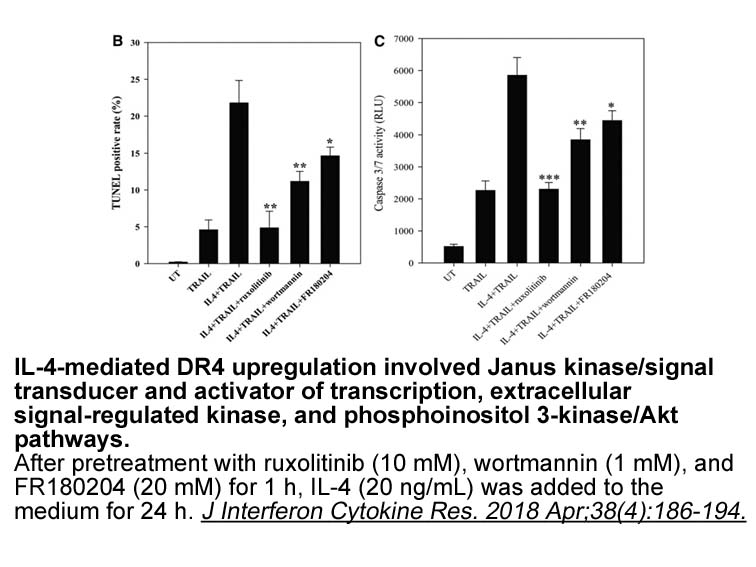
Roles of Aurora kinases in directly activating multiple oncogenic pathways and promoting proliferation as well as transformation have also been demonstrated. Aurora-A has been shown to up-regulate telomerase reverse transcriptase mRNA through c-myc [26]. The kinase was also implicated in activating
-
br Disclaimer Statement br Acknowledgments br Introduction
2024-05-24
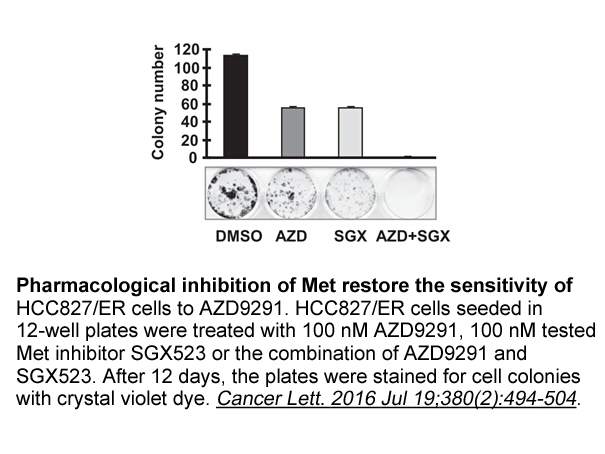
Disclaimer Statement Acknowledgments Introduction Metabolic changes are a common feature of cancerous tissues. Mutations in oncogenes and tumor suppressor genes cause alterations to multiple intracellular signaling pathways that rewire tumor cell metabolism and re-engineer it to allow enhan
-
br Acknowledgments This work was supported by the
2024-05-24
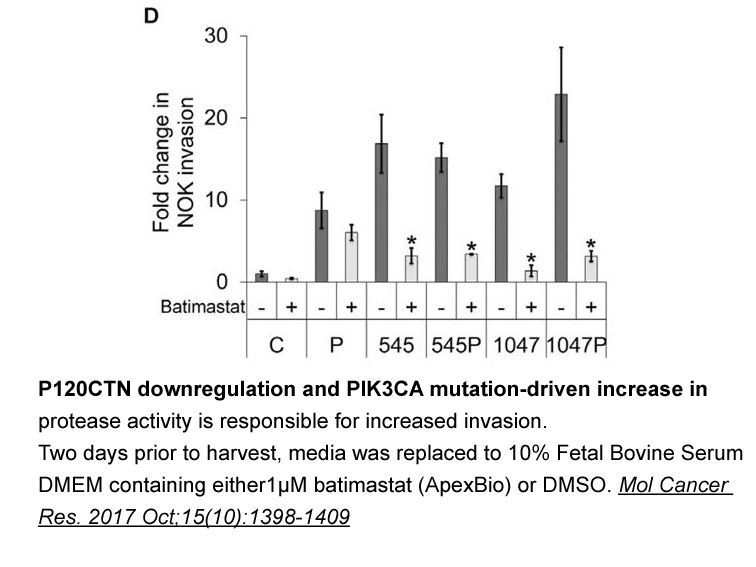
Acknowledgments This work was supported by the Swiss National Science Foundation. 15-Lipoxygenase 1 (15-LOX-1) is a nonheme, iron-containing enzyme predominantly expressed in reticulocytes, eosinophils, macrophages, mast cells, and bronchial epithelial cells . 15-LOX-1 is a key enzyme involved
-
The first objective of the present
2024-05-24
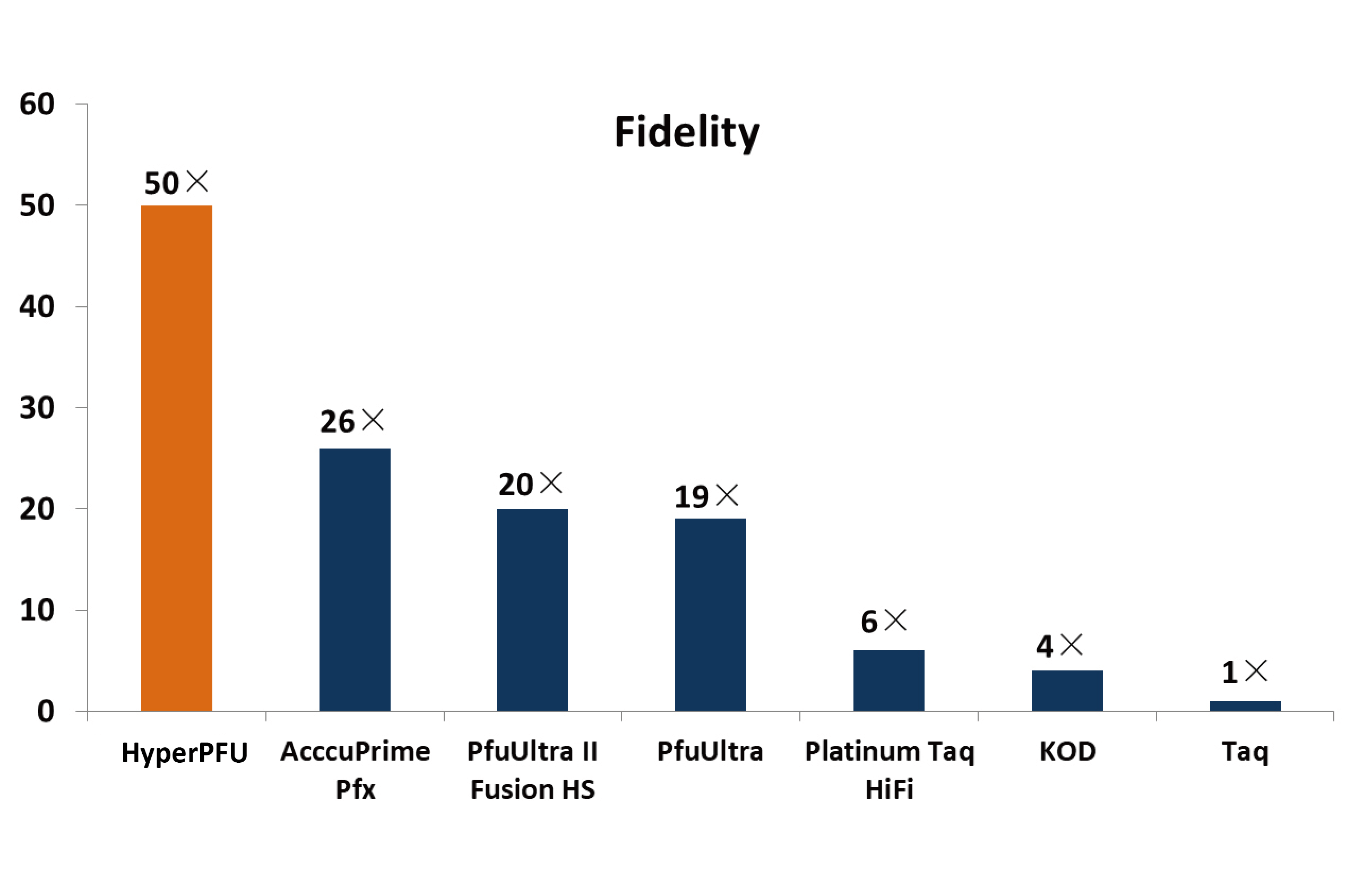
The first objective of the present study was to investigate the impact of ageing on arginase activity in tissues which exhibit age-related impairments in their function. The second objective was to determine whether l-arginine supplementation modulated the effect of ageing on arginase activity. The
-
br Methodology br Antibiotics in lakes br Antibiotic resista
2024-05-24
Methodology Antibiotics in lakes Antibiotic resistance genes in lakes Perspectives of study on NSC228155 and ARGs in lakes Conclusion This paper systematically reviewed the distribution of antibiotics and ARGs in global lakes. A total of 57 antibiotics reported at least once in the w
-
br Results br Discussion Using primarily an electrophysiolog
2024-05-23
Results Discussion Using primarily an electrophysiological analysis of dysbindin-deficient hippocampal neurons in cultures and slices, we have uncovered a previously unreported role for dysbindin in enhancing CA3–CA1 AMPAR-mediated transmission. An earlier study, however, has reported a reduct
-
br Introduction The structural similarities
2024-05-23
Introduction The structural similarities between puromycin (1, Fig. 1) and the aminoacyl adenyl terminal of aminoacyl–tRNA allow it to terminate the protein synthesis process by causing premature release of a polypeptide from the ribosome [1], [2]. Tremendous progress in the study of puromycin an
-
Piperlongumine br Conclusion br Acknowledgement This study w
2024-05-23
Conclusion Acknowledgement This study was supported by NIH/NINDSR01 NS036812-16. Introduction Lipoxygenases (LOXs) are a heterogeneous family of enzymes that catalyze the peroxidation of polyunsaturated fatty acids (PUFAs). By oxidizing free PUFAs, they were shown to contribute to the gene
-
br Methods br Results br Discussion Agitation
2024-05-23
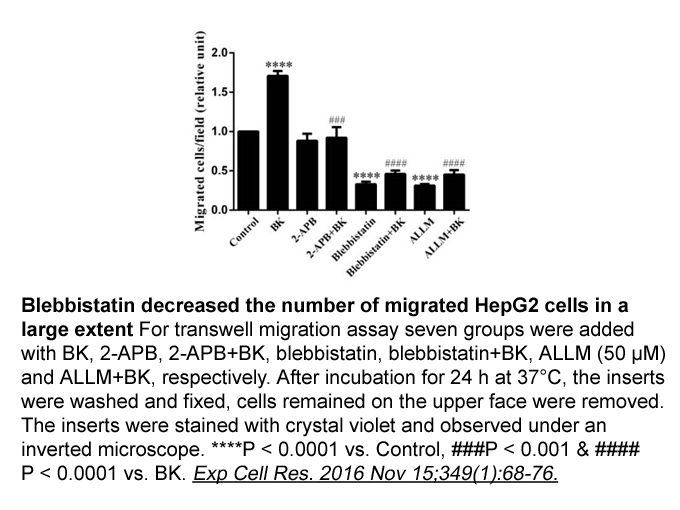
Methods Results Discussion Agitation in dementia has recently been defined as a syndrome characterized by inferred or observed evidence of emotional distress associated with at least one behavioral component, i.e. excessive motor activity, verbal or physical aggression (Cummings et al., 201
-
Triclosan br Discussion Missense mutations transversions of
2024-05-23
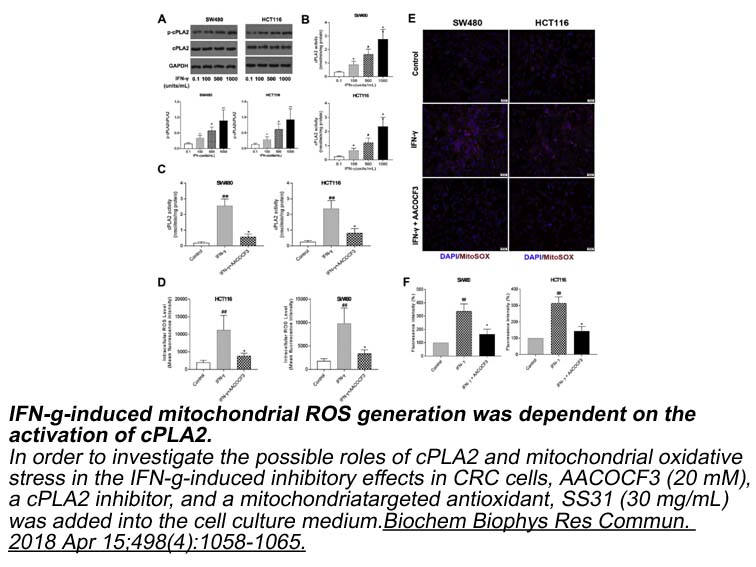
Discussion Missense mutations (transversions) of the first nucleotide of the phenylalanine Triclosan at position 1174 (F1174) of the anaplastic lymphoma kinase gene can result in substitutions to leucine or valine (F1174L/V) while missense mutation (transversion) of the second nucleotide of the
-
Compounds and with potent ALR inhibitory activity were
2024-05-23

Compounds , and with potent ALR2 inhibitory activity were also tested for their inhibition ability against ALR1, as shown in . They all showed low activity with inhibition percentages no more than 45% at the concentration of 10μM, demonstrating good selectivity for ALR2. To evaluate the antioxidant
-
In conclusion our study would seem to indicate that a
2024-05-23
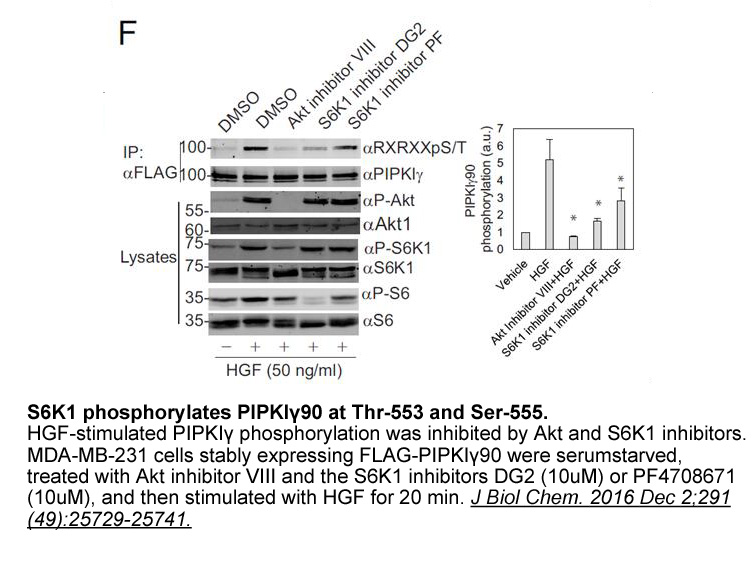
In conclusion, our study would seem to indicate that a hydrophilic microenvironment, which is suitable to accommodate highly hydrophilic molecules with steric hindrance such as aldose hemiacetals, allows the enzyme modulation by one of its most important physiopathological substrates. It is difficul
-
Tephrosia purpurea Linn pers Fabaceae
2024-05-23
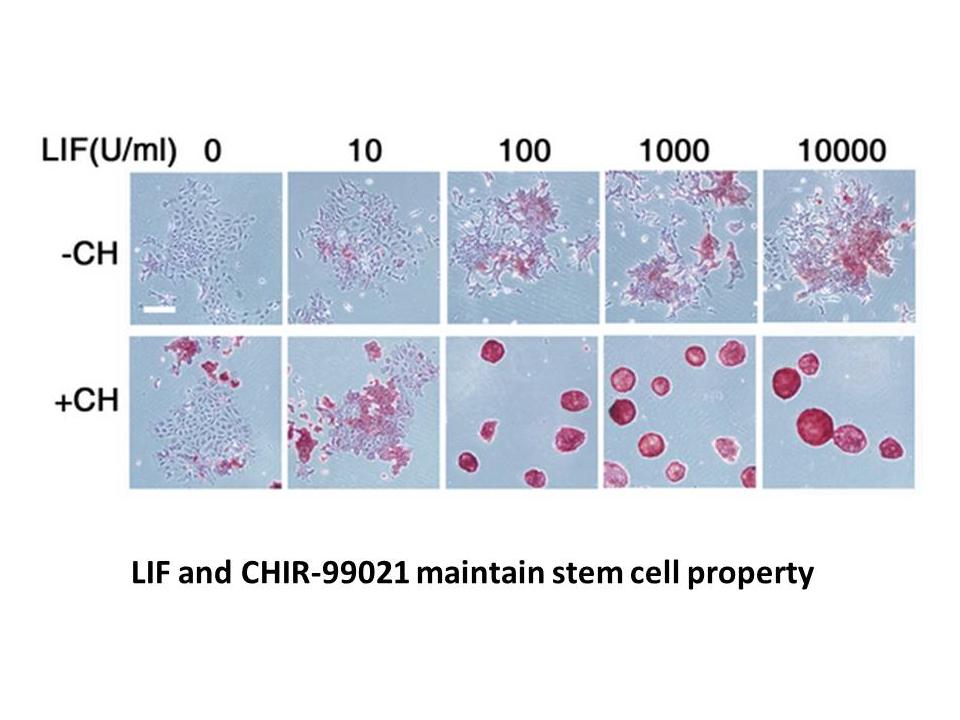
Tephrosia purpurea (Linn.) pers, (Fabaceae), a widely growing herbaceous perennial is reported to exhibit significant anti-hyperglycemic activity in animal models [7], [8], [9] as well as able to delay the development of diabetic complications [10], [11]. Recently, we have reported T. purpurea for i
8528 records 175/569 page Previous Next First page 上5页 171172173174175 下5页 Last page